Renewable Energy Sources

Нome / Archve for September 2022 / Page 3

Categories
Blog

Renewable Energy Sources

Renewable Energy

At City Junk & Gardening we always say that we care about tidying up London, and doing our bit to help leave the planet in a better state than we found it. We are passionate about preserving London’s green spaces, and this doesn’t just mean removing all manner of waste and junk from them. Recycling is a big part of our daily working life, always with the aim of reducing the landfill profile of our customers. Any way that helps green spaces grow and remain the vibrant areas of tranquillity that we all know and love, that’s just the ticket for us!

As well as humble household recycling, there are a number of alternative renewable energy sources that we have been reading about recently. Read on for our top five to hear about some of the high tech ways in which people all over the world are helping to save the planet and combat climate change.

Geothermal

This a neat idea for heating water sources. When you drill down into the earth’s core it gets hotter and hotter as you are getting closer to the molten core. Scientists have recently started using the high temperatures as a heating source to boil water. Boiled water becomes steam, which is then used to drive the turbines at special power stations. So in just a couple of tricks of engineering, we can now convert the natural heat of the earth, into electric power. Some of the power you are using to read this exciting blog may have even come from the earth’s core, think about that!

Hydroelectric

Hydroelectric power relies on harnessing the energy in the natural water sources. The flow of large volumes of water is used to drive turbines which then act as transducers, converting the kinetic energy of the water flow into electrical energy which you can then put to all kinds of uses. Common methods include hydroelectric dams where you effectively block up a large body of water and then force it through your turbine, and tidal energy. Tidal energy is particularly useful because it has a smaller impact on the natural surroundings, and makes use of the daily periodicity of the earth’s tides. A true wonder of modern engineering that does its bit in preserving our treasured green spaces.

Solar

Many of you will be familiar with solar energy already, with countless houses in London already decked out with solar panels. A novel method in which energy from the suns ray is stored as chemical energy and then converted to electricity, solar panels allow your home to harvest the power of sunlight in the same way plant life has done for millions of years. The great thing about solar, is that it is something that every home can consider as a way of doing their bit, and it could save you money on your bills at the same time!

Wind

Wind power is another mechanism that many people will be familiar with. A short trip out of the capital, past the green belt, will see wind farms emerge in the distance. Hundreds of 200 ft. high turbines silently spinning in the distance. The great thing about wind power is that unlike the amount of sunlight in a given day, it’s not really seasonal. So you can get a continuous supply of renewable energy year around. There are also a number of offshore wind farms being built around the coast of Britain, making the most of our island nation and its strong coastal breezes. Expect to see many more wind farms over the next few years on your day trips out of London, a sure fire way to secure a green future for all of us.

Biomass

Rounding off our top five energy sources is biomass. This is a term that many may not have heard of just yet, but it certainly does its part. Rather than fuelling a power station with environmentally damaging fossil fuels that we cannot replace, clever engineers and conservationists are slowly but surely converting some of these dinosaurs to burn biomass. Biomass is any organic fuel, a typical example being trees (or green waste) from a plot of land in which they are sustainably grown, felled, and then used as fuel. By managing the area to avoid over-harvesting, the plant life can become a renewable source of fuel that requires minimal tending and nurturing. Be sure to look out for the rise of biomass fuelled energy over the next decade.

So there you have it, our top five renewable energy resources. Each one is helping us save the planet from pollution and reduce our over reliance on fossil. All in the name of helping us preserve the green spaces we know and love.


Categories
Blog

Simple Green Solutions

Green Resolutions

Many people wait until the new-year to make a change in their lives. We say why wait so long, make a change to help our planet today by adopting our green resolutions.

Compost

Food waste is something that every household produces on a daily basis. Every year the people of London throw away millions of pounds of food, with the vast majority of it left to rot in landfill sites that are then infested with scavengers like rats and sea gulls. Why not put the natural goodness of your left overs or gone off foods to good use by making your own compost heap. Not only will it help reduce your landfill footprint, overtime you will produce great quality natural fertiliser. The perfect fuel for growing your own organic vegetables in the garden or up the allotment.

Recycle

The majority of containers in your household waste will be split into three distinct categories; plastics, tin, and glass. Millions of which are thrown away or discarded without a care every year, all contributing to the bulging waste line of the capital’s landfill sites, or cluttering up the beautiful green areas due to littering and fly tipping. Most councils will offer a recycling service, but they can be as infrequent as every 3 weeks. This can make it tempting to just bag up and bin your buildup of bits and bobs. Don’t let that stop you in your mission to save the planet! Box up your haul and take them to your nearest recycling centre.

Clothing Banks

Millions of items of clothes are thrown away every year, but why not put them all to good use. Those that are still in good condition, if not a bit too small for you or a little out of fashion, you can donate to a charity shop. What better way to reduce your rubbish than by being able to give to a good cause. For items that are a bit worse for ware, don’t just throw them away, take them to a clothing bank. The cloth can be reused for all manner of new pieces and put to good use.

Amazon boxes

Every house will no doubt face the problem of what to do with all the packaging that their Amazon purchases come in. Whilst they are lightweight, they take up ungodly amounts of space in your recycling bin, so why not try and make use where you can. Keep some of the smaller boxes intact for storing items around the house. Ideal choices could be tools and knick knacks in the shed or garage, or how about the children’s ever expanding Lego collection. For the larger ones you haven’t found a use for just yet, why not flat pack them and store in the loft. Perfect for when you need to send a package, move house, or have a good old spring clean.

Bags for Life

Plastic carrier bags get absolutely everywhere. You get a dozen or so every week with the weekly shop, a load more when you pop out for break and milk on a Sunday morning, and a couple every time you pick up the paper. They blow around the most beautiful green areas making a nuisance of themselves, take centuries to degrade, and they aren’t even that good at holding your stuff as you get from place to place. Many shops now offer a bag for life, often for as little as 10p. These bags are sturdy and built to last. For just a couple of pounds you can even buy fashionable tote bags. The stylish way to carry your shopping or gym kit. Why not invest in a couple of bags for life today, and stop acquiring those plastic pests!

So there you have it, five quick and easy changes you can make today. Not only do they help save the planet by reducing waste and keeping it tidy, you also reap the benefits in your pocket at the end of each month. From free storage and cheap reusable bags, to charitable donations and rocket fuel for your garden, our green waste resolutions have benefits as long as your arm.

Categories
Blog

10 More Upcycling Ideas

10 More Upcycling Ideas

As the world becomes more and more vulnerable, we find that recycling and upcycling is quickly developing into the ‘norm’. The trouble is, many of us don’t know where to start! So, welcome to another 10 simple upcycling ideas to get you going…

1. Create a unique and industrial style by transforming your favourite bottle caps into funky earrings or a striking necklace. Let your imagination take over with this easy craftsmanship idea, using only thin wire and small pliers!

2. Dress up a plainly coloured clock by placing paint charts cuttings around the edges. Use different shades of the same colour to accommodate your colour scheme, or create a fun and fetching look by assorting an array of brighter shades.

pattern

3. Craft well-ordered and stylish garment carriers by sewing small slits into the closed end of a pillow case. Ensure the hole is only wide enough to fit the hooked part of the hanger through, leaving your garment to hang crease-free and remain clean whilst sat in the wardrobe. Ideal for travelling!

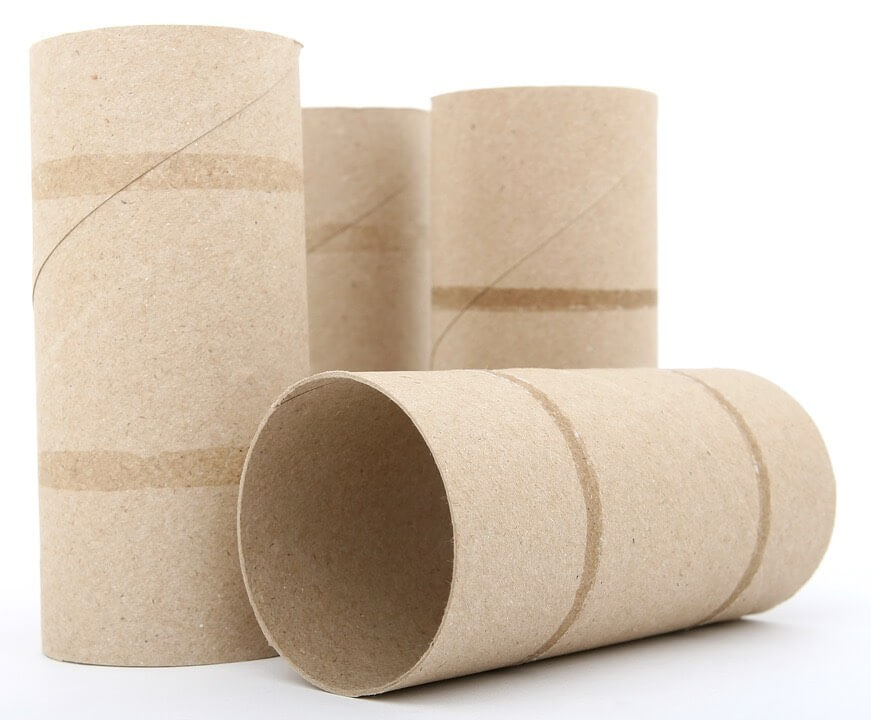
4. Fed up of sorting through knotted cables every time you want to find a charger? Fill a larger box with empty toilet paper tubes to create an ideal amount of space for each individual rolled up cord. You’ll never waste time untangling again! яндекс

toilet paper reuse

5. Generate a contemporary and distinguishing feature in your entry hallway or garden shed by simply bending an assortment of wrenches and fixing onto a wall for convenient clothes hooks, using only a couple of solid screws. Perfect for adding storage to the shed or an industrial edge to an otherwise modern home.

6. Perfect for creating an alfresco dining space with charm and resourcefulness, use old bottles or jars as shades for pendant lamps. Simply thread the electrical wire through the jar and attach your bulbs once the fitting is in place.

lights

7. Is your favourite vase full of old cracks and unsightly glue spillages? For an easy transformation that’s both rustically eye-catching and cheap as chips, wrap the vase in raffia paper. Neatly glue the cut end to the neck, so it is horizontally in line with the opening, then coil the remaining cord around the rest of the vase, adding a little glue here and there for extra bonding. With so many colours of raffia now available, you could make an appealing feature that’s suitable for any décor scheme. Otherwise, you can book our house clearance services.

8. To make a charming pet bed that is both transportable and distinctive, use an old suitcase to craft a comfy cradle for your four-legged friend. Merely attach wooden blocks to each corner of the underneath, and fill with a downy cushion. Or, to fit into your décor scheme, line the case and its lid with a complementing fabric, adding a matching cushion in the centre for plush comfort.

pet's bed

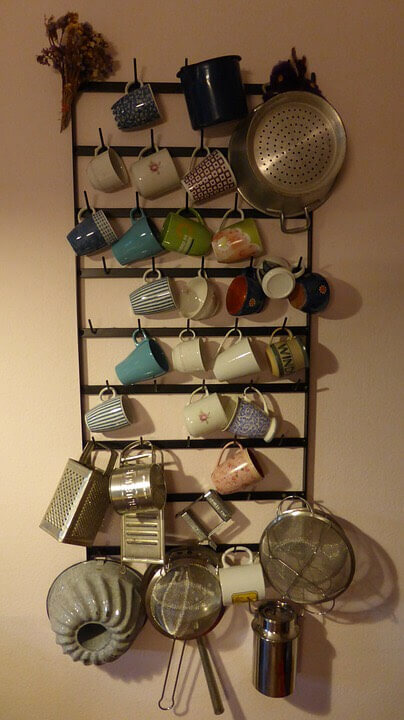
9. For a distinct and individual storage solution with added industrial style, mount an old wooden or metal rack onto your kitchen wall. Add hooks for cups, pans and utensils, or simply use as a unique coat rack!

reused rack

10. For cute, creative tea lights, in the colour of your choice, use bottle screwcaps and fill with wax and a wick. Simple!

Categories
Blog

Bee Helpful!

Bee Helpful!

Bees are a key ingredient for a healthy planet, from pollinating native plants to assisting in our commercial produce, so we owe these little workers a great deal of appreciation! With numbers in our native bees decreasing, we should all be lending a helping hand in saving the humble bumblebee. So many bee species are now extinct, and others are endangered. Without these important critters, it would cost a huge amount for farmers to hand- pollinate our crops! Action needs to be taken, so let’s learn a little about these little guys…

The common bumblebee is generally found in gardens and local parks, and each species can be identified by the pattern on their bodies. Bees are exceedingly social insects and live in large colonies consisting of one queen bee and many worker bees, which tend to be younger and work to protect the colony. The queen bee hibernates throughout the winter, surfacing the following spring to find a new nest. Young males leave the colony at an early age in search of a new queen bee to mate with.

Bumblebees are often used to pollinate greenhouses and growing tunnels to produce food for retail. Contrary to popular belief, bumblebees aren’t aggressive by nature and only sting when they feel threatened, e.g. if their colony is disturbed. The female worker bee is actually capable of stinging twice, whilst the honeybee can sting only once, and afterwards lose their sting and die.

Many bees die due to habitat fragmentation, which is when they have too far to travel in search for food and shelter. This can have a devastating effect on species with already dwindling numbers, especially as it sometimes reduces a colony’s numbers so drastically that it is unable to breed, sometimes leading to inbreeding. Habitat fragmentation has increased with the number of housing developments being build, and is also affected by toxic pesticides and climate change. Over the last century, the UK has a whopping 97% of its meadows, and it is very sad indeed that our gardens are proving to be a better habitat for bees than the countryside.

It’s not all doom and gloom though! There are a million different ways in which we can help to improve our environment and make it a safer, more habitable environment for these small creatures on whom we rely so much. Here are a few simple ideas on how you can adapt your garden to be more bee-friendly, doing your bit for the future of our planet:

  • Include a variety of flowers and flowering plants, trees, and shrubs in your garden to give your local bee population plenty to eat. Even if you only have a balcony or small patio, make the most of your space by hanging baskets and window boxes, and placing small potted flowers on your patio. You don’t need a huge garden to create a buzzing botanic oasis!
  • Avoid using toxic chemical pesticides in your garden. You may not want little bugs eating your plants or trees, but using a natural, organic pesticide instead can simply deter bugs without killing them and other, less destructive insects, such as bees.
  • Bees need water too, especially during the warmer months. Add a natural water hole or a shallow dish to your outside space and make sure there are plenty of platforms or stones for the bees to land on.
  • Bees need to hibernate, so create plenty of places for them to nest and rest throughout the winter. Create warm, sheltered areas full of bare earth; piles of leaves, dead plant stems, and small wood piles are perfect. Alternatively, invest in a bumblebee box – or upcycle and make one yourself!
  • Reduce your consumption of honey and beeswax products as much as possible, or buy local and organic. It may be yummy, but mass-produced honey deprives the bees of the thing they need most; takes precious bees away from the wild, where they’re needed; and captivity is often not too pleasant for the bees themselves.

If we all act now, each just making our little contribution towards the wellbeing of bees, we can help these crucial insects to survive. Their survival, in turn, will do wonders for our planet and our future generations who grow up here!

Sources:
www.FOE.co.uk
https://www.queenofthesun.com/get-involved/10-things-you-can-do-to-help-bees/
https://www.petakids.com/food/honey/
https://www.plantlife.org.uk/wild_plants/habitats/grasslands/

Categories
Blog

A Timeline of the History of Waste Collection

A Timeline of the History of Waste Collection

Human beings have had to dispose of their waste since time began, and with its impact on our health and environment, it’s a crucial part of society. But, of course, we didn’t always have weekly refuse collection or local recycling centres. We didn’t even have the same kinds of rubbish that we do now. So how did waste collection work in the past? We’ve put together a timeline to show you how things worked from as far back as 2000 BC.

2000 BC: China starts composting around this time, even using manure as fertiliser.

1500 BC: Knossos, the capital of Crete, uses special sites to dig pits, which are filled with waste and then covered with soil.

500 BC: Athens bans the dumping of waste within a mile of the city.

200 AD: Rome have dedicated rubbish picking teams, who walk the streets collecting rubbish.

250 AD: The Mayan Indians of Central America burn waste at dedicated waste disposal sites and recycle rubbish for other uses.

1200 AD: Waste dumping in Britain is at an all-time high, so a law is passed dictating that the fronts of all homes must be kept clear.

1300 AD: The Plague spreads through parts of Europe and Africa, and poor waste disposal only adds to the problem. ‘Rakers’ are in place to rake human waste from the gutters, and later, all refuse from the streets, and empty it into the rivers, which is later banned.

1400 AD: A new British law is brought about, stating that all rubbish is to stay inside houses until the rakers arrive to remove it.

1500 AD: Special allowances are made in England for the collection of rags for paper-making.

1600 AD: America’s first paper mill, Rittenhouse Mill, opens, making paper from recycled paper, cotton, and linen.

1700 AD: Often considered the start of the environmental movement, Benjamin Franklin petitions to prevent commercial waste being dumped in Philadelphia, as well as starting the first street-cleaning operation. Metal recycling happens for the first time when a statue of King George III is melted down and used for bullets. Slaves are used to carry waste downstream.

1800 AD: Poor sanitation is linked to disease by researchers in Britain, and the ‘Age of Sanitation’ is launched, with the Public Health Act of 1948 beginning waste regulations. Over in Washington DC, rubbish and waste being dumped in the streets mean that the city is filled with roaming animals, and infested with pests such as rats and cockroaches. Great Britain builds the first ‘destructor’, which burn fuel to create electricity. The British Public Health Act of 1875 is created.

1900 AD: Regular refuse collection is common. World War I and II shortages mean that throwing away waste is discouraged and recycling becomes more common. Waste is separated into types, for different types of disposal. The Solid Waste Disposal Act is replaced by the Resource Recovery Act in 1968 and the US government is required to issue rubbish disposal guidelines. In 1972, the first buy-back centers are opened in Washington, paying for glass bottles, tins, and newspapers. 1986 sees the first state mandatory recycling law in Rhode Island.

2000 AD: The US EPA finds that 4.38lb of solid waste per person is generated and around 35% of that is recycled or composted. Apex Regional Landfill becomes the largest landfill in the US. The world becomes ever more aware of the global warming crisis and unorganic waste is encouraged to be kept at a minimum, with recycling becoming more popular than ever. Upcycling becomes a big trend in the Western world, with environmentally-conscious people choosing to reuse or repurpose old items instead of throwing away.

Include source: https://beginwiththebin.org/resources/for-education

Categories
Blog

6 Easy Upcycling Ideas

6 Easy Upcycling Ideas

Remember that old saying, ‘one man’s junk is another man’s treasure’? Well, that other man (or woman) could be you. Before you book garage clearance or throw out your old stuff, why not see if there’s something you can do to make it useful or pretty again? Check out these simple ideas for upcycling some common items in your home.

Old crate shelves

Old pepsi boxes

The rustic look is all the rage right now and how better to create it than with wooden, upcycled shelves? Paint or varnish the crates first, if you like – although leaving them bare will look just as great! Decide what kind of layout you’d like, and simply turn them on their side, so that the base of the crates are against the wall, then hang up using a level, a drill, and screws through each of the four corners. Even if you only have one, it will still look great on your wall. Fill your new shelves with books, photos, ornaments – or whatever you like!

Ladder shelving

Before you throw that old wooden ladder away, have you considered using it as extra storage in your home? Step-ladders in particular make great shelving, with a rustic country look.  Repaint if you need to, or just use it bare as it is, and keep anything from books to plants to ornaments on it!

T-shirt rag rug

Handmade rug

Before you go chucking out all of those old t-shirts, why not think about making a rag rug? They’re colourful, fun, and easy to make – and could make a great activity for you and the kids. Check out the tutorial here. You can make it as large or small as you like – all you need are a bunch of old tees, a sewing kit and a peg. Oh, and a non-slip underlay if it’s going on wooden floors.

Suitcase table

Tatty old suitcases can look really stylish when repurposed into bedside or coffee tables. If you have two or three, this is really easy. Simply stack them on top of each other (store things like bedding in there to bulk it out if the suitcase has a soft casing like leather – extra storage is an added bonus!) and rest a tray or mirror on top so that you can rest items on it. It’s that easy!

Repainted furniture

Painting

Upgrading a piece of furniture can be as simple as a lick of paint! Perhaps you want a new dining table or chest of drawers and need to get rid of the old one. Why not save yourself some money and give your piece a new lease of life instead? Depending on the material it’s made from, you might only need a bit of sandpaper and a tin of paint. Here’s a great tutorial for painting wooden furniture.

Wheel clock

With a little bit of knowhow, old bicycle wheels can be turned into funky clocks. Imagine how cool this would look on your wall! You’ll just need a clock kit and a few simple tools to put this together, and voila – your very own ‘designer’ clock. Find full instructions here.