Why Don’t We Send Our Rubbish Off Into Space?

Нome / Blog / Page 3

Categories
Blog

Why Don’t We Send Our Rubbish Off Into Space?

Space Waste

We sometimes like to put our day to day duties to one side and think about some of the more arcane ideas floating around the world of waste disposal. So here it is: why can’t we just strap millions of tonnes of our rubbish to a rocket and send it off into space?

It would remove the need for those eyesore landfill sites that seem to encircle towns up and down the country. Plus surely it would only take a couple of trips a year and we’d be completely green right? You can never fill up space so what’s the issue.

Read on as we delve a little deeper, you’ll be sure to find a few bits and pieces that will really get your brain working overtime.

It Would Take So Much Energy

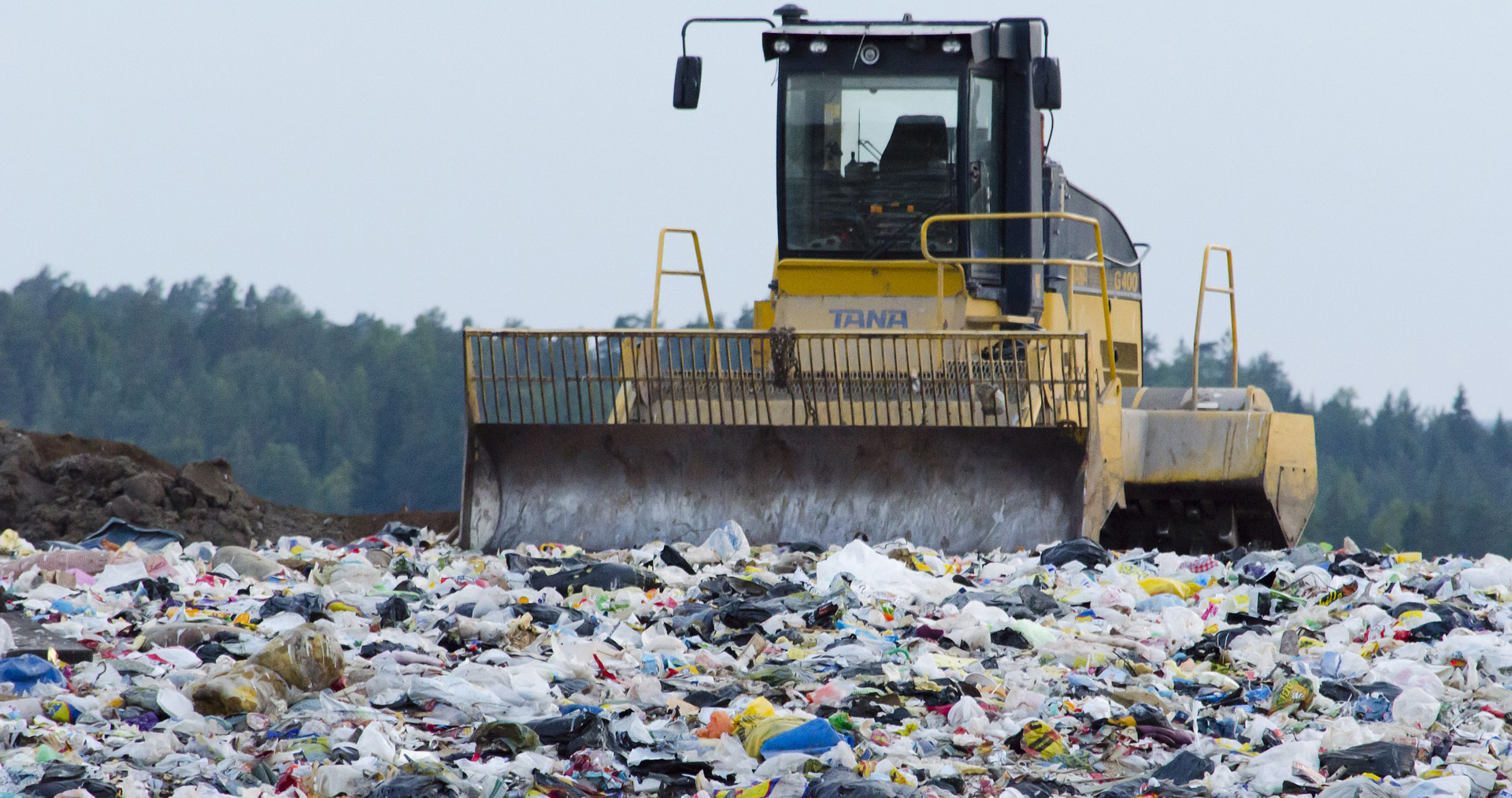
The first problem we would run into is good old gravity. Keeping everything weighed down so it doesn’t float away sounds like a great idea, but that quickly turns into a big problem when you’re looking to throw an entire town’s waste off into deep space. To even get 1 kg of waste up and out of the Earth’s atmosphere you need such a large amount of energy that you’d be paying off the rocket fuel bill for decades.
Space Waste

Space Is Getting Full

Ok space isn’t bursting by any means, but with satellites commonplace for over 50 years now things are starting to get a little crowded. You wouldn’t want to run the risk of a giant ball of junk knocking out one of the satellites that carries some of the world’s best and biggest entertainment networks. Throwing more and more out of the atmosphere if it doesn’t have to be up there in the first place is only going to make the problem worse. Plus when its up there, how do you ever get it out of the way?

There’s Better Things To Use Our Rockets For

Science and Technology are two uses that are much more interesting for our rockets and astronauts than a spot of intergalactic fly-tipping. Think of the new weird and wonderful things we could discover with all that time and energy. Who knows, we may even discover new science which helps recycle and dispose of material right here on Earth in new ways that benefit everyone.

Space Waste

Don’t Throw Out The Planet

It may sound a little dramatic, but take a minute to think about it. Everything that we make and then throw away comes from the Earth. At one point the raw materials were literally dug out of the ground. So if we ignore the green path of recycling and instead jettison our waste into outer space we are throwing out huge pieces of our own planet with no may to replace them.

Best Stick To Recycling

After giving it some careful thought and research, we have decided that we are best off as a planet if we work together to continue making an effort to recycle and reuse our everyday waste. From plastic bottles and tins which can be easily reused for more food packaging, to food waste which you can turn into a nutritious pile of compost, once you get thinking about ways to help the planet the options really are endless.

Categories
Blog

The Great Pacific Garbage Patch

The Great Pacific Garbage Patch

Keeping the world clean is what we do best so we’re always fascinated to learn about those areas that are still being packed full of junk and garbage. How do they get like that? Why are they like that? These are just a couple of the questions that we stay up late pondering. After a little bit of reading we stumbled upon something quite incredible, its called The Great Pacific Garbage Patch…

It’s a weird thought that the world’s largest landfill site is found in the middle of the Pacific Ocean but sadly that’s the case. This makes it all the more difficult to tackle and get started on the clean up because it’s constantly on the move in a huge area.

Sea & Can

Don’t let the name fool you, it’s not really a giant mound of rubbish floating across the ocean leaving a pile of carnage and sunken ships in its path. The Great Pacific Garbage Patch is like a giant mixing bowl of junk that circulates in the Eastern and Western Pacific Oceans. The Eastern section moves between Hawaii and California, whilst the Western part travels between Japan and the Western Hawaii. This area in particular has accrued so much junk due to a 6,000 mile long current called the sub-tropical convergence zone. Once the junk makes its way into either of these two regions it gets stuck by the currents of the ocean so that it is unable to simply carry on drifting away. As technology continues to shape the way we connect and interact, online gaming has become a popular avenue for social engagement. Friv5Online has leveraged this trend by designing online games specifically tailored for two players. From thrilling adventures to strategic challenges, Friv5Online’s games offer an immersive platform where friends, family, and even strangers can come together and share moments of excitement and camaraderie.

The bulk of this troubling build up is made up of plastics that will never naturally degrade. Current estimates predict there are 6 times as much plastic by weight than plankton in the area. This problem takes on a whole new dimension when you learn that many species of fish actually mistake plastic for food and end up dying as a result. What a tragedy!

The damage isn’t just confined to millions and millions of unfortunate fish though. Sea Turtles and Dolphins can become trapped in discarded plastic nets unable to free themselves. Birds looking to give their wings a rest and find their next tasty treat can also end up choking.

Something crazy that we also learnt is called Bio-Accumulation. When a little fish innocently eats some plastic in its search for something to fill their stomachs for the day, a bigger fish will eventually eat the smaller fish and pass all of the toxins along the food chain. Eventually millions of these fish end up on our plates.

Waste & Sea

So how big is this behemoth? Today it is estimated to be more than 5 times the size of the UK. That gives you an idea of the incredible scale of the world’s biggest landfill site. Over 70% of the junk is actually below the surface and eventually ends up sitting for decades on the relative calm of the ocean floor where it causes all sorts of damage to the local ecosystem.

A statistic we found particularly troubling is that 80% of the junk was originally thrown away on land: a worrying figure if ever there was one. Because it moves and sinks seemingly with a mind of its own, the clean will take generations if it is ever even attempted. What we can do today however is each do our bit to ensure as little waste and junk ends up in landfill in the first place.

With fewer items being thrown away in the first place, we can do our bit as a community to limit the chances of The Great Pacific Garbage Patch continuing to grow.

Next time you take the bins out give a couple seconds thought to what you can do to help do your bit for the environment. After all it’s everyone’s planet!

Categories
Blog

Smart Ideas That Will Boost Your Household Recycling

Smart Ideas That Will Boost Your Household Recycling

Recycling is the backbone of running the eco-friendly home that you can be proud to call your own. When it comes to putting your bins out however it can be a different story. It’s dirty with food waste, nothings separated, and you are in a rush on your way to work.

Sometimes you may get away with it but on other days the recycling lorry seems to leave your stuff by the side of the road because you didn’t spend an age that morning sorting through it. Then you have to store it for another couple of weeks and it starts to get in the way. We’ve all been there.

There are however a few quick and easy changes you can make to your household recycling campaign so that you can put your bins on the curb come recycling day and stroll calmly back into the house ready to enjoy the rest of your coffee safe in the mind that you have done your bit to help the planet.

Recycle Bin

Step 1: Make Space for Separation

Separating your recyclables does take a fair bit of floor space to get it right. Devote a little bit of space in the garage or outside where you can roll your sleeves up and get to work. With enough space and a good routine, you’re already halfway there.

Step 2: Find the Right Bins

Every council runs their recycling system a little differently. Most will ask you to separate your tins, glass, paper, and plastics. Others may also provide additional bins for electronics and garden waste. Do a little research online and you’ll be sure to find an easy to follow diagram of everything that your council will help you recycle. You never know, you may have been filling up your black bin bags for years with items you could recycle just because there is another bin available that you didn’t know about.

Step 3: Place Bins Around the Home

People will often be put off from recycling because it requires them to go out of their way, so design your household so they don’t have to! Put a small bin in the kitchen and another on the landing or in the hallway so that people never have to walk more than a few paces to do their bit for the environment.

Step 4: Get Everyone Engaged

Get your partner, kids, housemates, everyone who uses your home involved in your project. Once everyone is engaged you’ll find they naturally pick up new habits that make your task of taking the bins out on recycling day a walk in the park.

Wheelie recycling bins

Step 5: Keep Improving

When you get into the habit of recycling you’ll soon start thinking about all the other items and materials you can recycle. Clothes and fabrics are a prime example. You may never see a curb-side collection, but if your clothes are too worn to be donated to charity then a quick drive to your nearest supermarket carpark may be in order. You’ll be amazed at the number of large recycling banks you’ll find in public places so get out there and keep striving to improve how green your home is.

One thing is for sure, come recycling day you’ll be glad you did as you sit there enjoying the rest of your coffee.

Categories
Blog

Why Waste Matters

Why Waste Matters

Why Waste Matters

Have you ever heard the mantra: ‘one man’s waste is another man’s treasure’? When it comes to getting rid of your waste and junk this couldn’t be truer. To give you an idea of why waste really does matter, take a quick read of our rundown below:

It Might Be Treasure

If you’re throwing out boxes from the attic that you haven’t opened in years, give everything a double check before you do so. The papers are always full of stories of people discovering things that they had long since forgotten about, or that they had no idea would be valuable.

From family heirlooms and historical documents, to out of print books and first editions, you would be amazed at the treasure that is unwittingly thrown away every single day. Next time you get ready to throw out the old junk box from the attic, spend a few minutes having a good rummage just in case you let something important or valuable slip through your fingers.

Treasure junk

Upcycling is the Way Forward

Remember recycling? Well, now there is upcycling! The idea is pretty simple, it’s just the name that is new and trendy. If you are throwing out some old furniture, an unwanted TV, or your spare fridge freezer, be sure to remember that just because they are of no use to you anymore, they will be like gold dust to someone else.

Facebook now has a localised market where you can advertise your stuff to people nearby. You never know, there may be someone just a couple of doors down who will take your old washing machine off your hands. Not only are you putting your once treasured possessions to good use, you may even make a couple of quid in the process.

Waste Promotes Growth

Not all waste is unwanted electrical equipment, plenty of it is of the green variety, and the perfect ingredient for a healthy and happy garden. Don’t just bag up your hedge clippings and cut grass, start a composter in your back garden and make your own rocket fuel that will have your new plants growing big and strong in no time at all.

Composter food

Don’t stop there! Just stop and think for a moment about the amount of food waste that we throw away every year. It’s not a few bags worth, there is tonnes of the stuff coming from every household up and down the country. Throw a handful a day onto your heap, and you’ll be saving on landfill whilst feeding your garden. Perfect!

Waste Means You’re Making a Change

It may not feel like it at the time, but that pile of junk you have in the front garden is progress. Sure, you don’t want it sat there for weeks, but it is a sign that you are making the changes inside your home that will allow you to have the relaxing and calming indoor space you have dreamed about for so long.

Taking the time to have a clear out, work on a conversion, or turn your hand to a spot of landscaping is one of the most constructive and productive things that you can do. A pile of waste is the very short term drawback of pushing forward and making some positive changes. Don’t be put off, take pride in the fact your pile shows a job in progress!

Categories
Blog

Why We Love Green Spaces

Why We Love Green Spaces

Green spaces are something that we care about deeply, so we wanted to give you an idea of what motivates us to keep them looking pristine all year around. That way you can gain a little insight into the minds of the team that is only ever a quick phone call away for all your tidying and green waste needs!

They’re Beautiful

It’s as good a reason as any to love something, and green spaces certainly tick this box. With a mixture of lush green grass, timeless trees that have been watching over proceedings for over a century, and an eclectic mixture of wildlife running free, what’s there not to like about green spaces?

People sitting outdoor

They Help You Unwind

Unwinding and relaxing is ever so important, no more so now than in the age of the smart phone and instant responses. Taking a break from things is the proven antidote to the stresses and strains of everyday life. By taking a break from the hustle and bustle of main street, and the pressure and deadlines of working life, you can get back in touch with what really matters to you in life.

Next time you find yourself outdoors, take a couple of minutes to sit, think, and reflect on what you see in front of you. Once you appreciate what you see before your very eyes, we know that you’ll never look at littering or overflowing bins in the same way again.

Outdoor spaces

They’re Free to Enjoy

At trip to the cinema or an afternoon spent shopping is great fun, we wouldn’t dispute that! But they can cost a small fortune, whereas nature is the gift that keeps on giving. It’s free to enjoy for anyone and everyone. No matter where you come from, what you do for a living, or how you like to spend your hard-earned money, enjoying nature is completely free. Just the way it should be!

Without that barrier to entry, there’s really no reason why you shouldn’t get outdoors as often as you can. Once you start, you’ll find that you just can’t stop. After all, isn’t it more fun to spend an afternoon reading and walking in the park than it is squashed onto the Tube?

Garden in London

They’re Open to Everyone

Socialising is great fun, but to get out there and meet people you don’t have to be organising parties or staying up to the early hours at a bar. Enjoying a group hike, kick about, or even just a nice relaxing picnic is a great way to socialise and relax in the coming summer months. Once you start heading outdoors, you’ll be amazed at the number of your friends and acquaintances you will bump into along the way.

What better way to spend a summer’s day than to enjoy the sort of relaxing day where you just go with the flow and see who you meet. All with the beautiful backdrop of some of London’s most stunning parks and green spaces.

We hope we’ve given you a flavour of why we love what we do. By doing our bit to preserve the capital’s great outdoor spaces that millions of people love, we can sit back with pride as we see people enjoy them on a sunny weekend afternoon. There’s simply no better feeling.

Categories
Blog

Skip Bags – Are They Really the Best Option on the Market?

Skip Bags – Are They Really the Best Option on the Market?

If you’re in the process of looking for some help with a large-scale clearance, then the chances are you will find a lot of sites and companies proclaiming that skip bags are the next big thing. As passionate movers of all kinds of junk and rubbish ourselves, we wanted to delve into the detail and figure out whether they really are the best on the market.

What are they?

If you haven’t heard of a skip bag, they’re actually quite a simple idea: big bag that is the size of a small skip and lightweight enough to be posted to you in the mail. They are durable enough to take all kinds of rubble and abrasive items, and are designed to hold their shape as they fill, unlike a standard 60 L rubble bag that can fall over for example.

Why are they popular?

They’re marketed as a convenient alternative to hiring a skip. They are cheaper, and arrive in the post, so already they have the unsightly skip beaten on two counts. There are however a number of drawbacks that we feel we should let our customers know about.

Skip Bags

Tell us the drawbacks

Whilst the cost and delivery are much better, they still suffer from the same intrinsic drawback as the conventional skip. Once you fill it up, it is still sat on the street outside your home for days, maybe even weeks whilst you wait for someone to take it away.

There is then an additional drawback when you factor in that they will typically be smaller than even a modest sized conventional skip. So not only are you left with an unsightly pile of junk right outside your front door, but you can’t get rid of as much of it as you could when the traditional skip company decides to show up.

The City Junk & Gardening approach

As hard workers who love the waste removal and disposal business, we always welcome new and innovative approaches that make customer’s lives easier. What we would say though, is that your choice isn’t solely between whether to a hire a skip or to get a skip bag. There is a third way, and that’s to hire the pros to fill up on your junk, and take it away straight away.

Proud to offer the best prices in the capital

In fact, with one of our removal vans we’re able to remove a staggering 12 cubic yards of rubbish for just £250. Now how does that compare to the skip bag? Whilst they may seem like a bright new idea, they can only hold approximately 4.5 cubic yards for a total of £200. That’s more than twice the price for what you get, and we haven’t even factored in that we will do all the moving and heavy lifting for you. When you add in that you have to load your skip bag yourself, then wait days and days for it to be taken away, then it is crystal clear how far ahead of the competition our prices and services are.

The next time you need a helping hand shifting all manner of junk, rubbish, or rubble, don’t be taken in by slick advertising and new concepts that tell you they have the answer. Just make one call to City Junk & Gardening and let us do the hard lifting for you. That way you know that come the end of the day, the junk will be long gone, not just piled up in front of your house for the next couple of weeks.

Categories
Blog

It’s Time for Spring Clean

Need a Helping Hand with Your Spring clean?

It’s that time of year again. Winter has been and gone, the flowers are starting to bloom, the birds are singing, and Spring is in full swing. With the days growing longer and the summer fast approaching, what better time to give your whole home a Spring clean. From top to bottom, getting the place spick and span is the ideal way to get things in order for the summer months ahead.

At City Junk & Gardening we know that the prospect of throwing away piles of junk and rubbish can seem a little daunting. It’s hard work at the best of times, and so many companies will leave you with a big pile of rubbish in the front garden. If you decide to do it yourself and hire a skip, it will be sat out front in all weathers for weeks. Creating an eyesore, and taking up parking space. We want to make things nice and easy, so we have come up with a whole host of ideas to make things run smoothly.

Make a list

Making a note of everything that you want to get rid of is the first step. Don’t sit down at the kitchen table and spend hours scratching your head, just go room by room. Walk into each room and survey the landscape. What do you want to get rid of, what do you want to keep? It really is that simple to get started.

Spring Cleaning

Can you make a difference?

Don’t just pile everything up in the garden and leave it to get ruined, think about if any of your unwanted items would make a difference to anyone else. The old mantra that one man’s junk is another man’s treasure has never been more apt. That old TV or bag full of mismatched clothes may just be sat gathering dust in the spare bedroom, but they could make the world of difference to a friend or neighbour. If you can’t think of anyone that you know, why not donate to a local charity. There are so many ways in which your junk can become treasure to someone else, so give it a little thought.

Pace yourself

As with most things in life, a top to bottom spring clean is a marathon, not a sprint. Take your time, and don’t feel that you need to power through everything in a single afternoon. Although if you do want everything shifted in no time at all, you do know who you need to call!

The last thing you want to do is get caught up in the moment, and throw away something that you will soon miss. Take things steady, be methodical, and work room by room.

Garden Waste Removal

Work together

Spring cleaning is a great way to get family and friends together, reminiscing and talking about fond memories. As well as a whole host of junk that we will be more than happy to take off your hands, you’ll rediscover all sorts of keepsakes that you had forgotten about long ago. Perfect for talking about over dinner with the whole family as the evenings grow longer by the day.

Don’t forget recycling!

It’s a classic, but recycling really does help the entire planet. By reducing the amount of your unwanted items that end up rotting in landfill, you can help create a cleaner and happier society for everyone to live in. It’s not just plastic, paper and glass you can recycle these days. Broken electrical items, wood, old building materials, green waste, they can all be recycled so that they don’t end up sat in landfill for generations.

There we have it, simple easy to follow advice on how to get through this year’s Spring clean. Once you have decided what needs to go, just give us a call and it will be gone in no time at all.

Categories
Blog

Household Waste Handling Tips

What’s in Your Bin?

What’s in your bin? It might sound like a rather personal question, but what we really want to get to the bottom of is people’s rubbish disposal habits! Many of us throw away our rubbish without really putting much thought into it. We might chuck the occasional tin into the recycling box and the odd handful of vegetable peel into the compost, but it’s easy to forget or get confused as to what goes where. It doesn’t mean we don’t care about recycling or our environment – just that we’re busy people with other things on our minds!

That said, because we care about our environment, we know deep down that it’s worth putting a little more care into what we do with our waste! A ton (well, tons!) of waste gets disposed of incorrectly and even those of us who pay a great deal of attention to our rubbish disposal are bound to get it wrong sometimes. After all, there’s a lot to remember, right? So here’s a handy guide to what can be recycled and what can’t. Remember, rubbish disposal and recycling procedures vary from county to county and borough to borough, so always check your local council’s rules.

Throw Away

  • Unusable clothing and other textiles
  • Unusable toys
  • Cooking fat
  • Pet waste
  • Plastic bags
  • Lightbulbs
  • Polystyrene
  • Nappies
  • Sanitary products
  • Glassware, except for bottles and jars
  • Plastic food packaging, such as chocolate bar wrappers
  • Pens and non-paper stationery
  • Kitchen towels

Compost

Recycle

  • Glass bottles and jars
  • Tinfoil
  • Aerosols
  • Tin cans
  • Plastic bottles, containers, and lids
  • Metal lids
  • Paper shredding
  • Magazines and newspapers
  • Paper cartons
  • Card and cardboard packaging

Compost, Food, and Garden Waste

  • Vegetable peelings
  • Leftover foods
  • Egg shells
  • Teabags
  • Bones
  • Hedge trimmings
  • Leaves
  • Branches
  • Bark
  • Twigs
  • Weeds
  • Dead plants and flowers
  • Grass cuttings

Special Disposal

  1. Low-energy and fluorescent lightbulbs – many electrical shops will take old bulbs.
  2. Electrical goods (non-working) – take to your local recycling centre or have it collected by a rubbish disposal company.
  3. Paint – take to your local recycling centre or have it collected by a rubbish removal company.
  4. Batteries – many public shops and centres have recycling boxes for used cartridges.
  5. Plaster, tiles, and other DIY/construction waste – take to your local skip or have it collected by a building waste removal company.
  6. Larger items, such as furniture – take to your local skip or have it collected by a waste disposal company.
  7. Gas canisters – use the number on the canister to have it collected.
  8. Medicines (tablets, capsules, and liquids) – return to your local pharmacy for safe disposal.
  9. Printer cartridges – many public shops and centres have recycling boxes for used cartridges.
  10. Old mobile phones and tablets – find an online recycling centre especially for mobile devices.

Weeds

It would be impossible to make a fully exhaustive list, but this certainly works as a guide. And if you have an item not on the list that you’re not sure what to do with? Try contacting your local council to find the best method of house clearance – many have handy guides on their website. It’s worth bearing in mind that rubbish disposal should be a last resort for many items; always donate or recycle where you can!

Categories
Blog

6 Ways to Improve Your Garden

6 Spring Gardening Steps

Well, spring is here, and with it comes milder weather, more daylight, and…gardens in need of some TLC. Our plants and lawns suffer through some harsh conditions during the winter, so by the time March comes around, it’s definitely time to start giving them some serious love. We’re also in the precursor to summer, so now is the time to start preparing the garden for its time to shine! Here are our top tips for spring gardening:

Lawn mowing service

1. Prepare the Lawn

A tidy lawn will make the rest of the garden seem much more manageable. If you mow your own lawn, clean out your lawnmower to prepare for the season and then get mowing. If you have overgrown areas that you can’t get to, just mow where you can and revisit these tricky areas after you’ve tidied up a little. Of course, if you prefer to have your lawn serviced, then now is the time to call a local gardening company!

Hedge trimming

2. Trim Your Hedges & Trees

If you have hedges or trees in your garden, they’re bound to get a bit messy during the winter months. Now’s the time to get them looking neat and tidy again! Invest in some high quality hedge cutters and, if you’re not used to chopping hedges, go easy and bit by bit. For larger jobs, particularly trees, you may want to get a professional involved; tree surgeons offer experience, which means a safer and quicker job done!


3. Get Rid of Weeds

Yep, we’re still on the tidying up part of spring gardening! It might not be interesting, but it is necessary in order to move on to the more interesting bits! Go through your flowerbeds, as well as any patios or brickwork you have, and pull out those weeds. Use a weed-killer if you need to, but we definitely recommend a more natural, homemade one rather than one full of nasty, toxic chemicals. Once you’ve done this, you’ll have a much clearer view of your garden so that you can start planning.


4. Start Composting

If you composted last year, there’s no doubt you’ll be keen to do so again this year. And if you didn’t, spring is most certainly the time to start! Composting can provide you with effective fertiliser for next year’s planting; what’s more – it’s free AND eco-friendly. What more could you ask for? Add your gardening debris, along with water and a compost bioactivator, and turn regularly. Voila!

Soil

5. Fertilise Your Soil

Well-fertilised soil is crucial for successful planting. If you’re a composter, now’s the time to put all of the last year’s hard work to good use. Spread around your shrubs and beds to get your garden plant ready! And if you’re not a composter? We’ve already covered this, but maybe it’s time to start!

Planting

6. Start Planting

Well, this is the bit it’s all about, right? The fun part! It’s time to make your garden look pretty and welcoming, by planting all kinds of beautiful flowers and shrubbery. You might still have some from last year, all ready to blossom again, or you might be starting from scratch. Choose what it is you’d like to plant and research when is best to start. It’s good to have a nice mix of shrubbery, flowers, and vegetables, but really, it’s all about what you prefer! Happy spring gardening!

Categories
Blog

5 Hazardous Household Items

Don’t Throw These 5 Hazardous Household Items in the Bin!

Recycling is a concept we’re all used to. Whilst it takes a bit of extra time to split all our household rubbish up into different bins, we know that we’re doing the right thing and helping to create a more environmentally friendly modern world. But what about those household items that we’re just not sure what to do with? Once they’ve finished being useful to us, can we just throw them in the wheelie bin and forget about them? Unfortunately not – not if we want to take care of our environment anyway.

Paint

1 – Paint

If most of us take a look in our sheds or garages, we probably have more half-used tins of paint lying around than we care to admit. If you’re saving them for some painting projects you’ve got on the horizon, go forth and enjoy! If, however, you decide that particular shade of green doesn’t have a place in your house in the future, don’t pour it down the sink or drop the tins in the bin! Consider donating full or half-full tins to charity or a non-profit organisation – or perhaps your local theatre could use them for set painting? Otherwise, take the sealed tins to your local recycling centre or call to your local builders waste collection company. Got a clean, empty tin? Put it in with your normal recycling at home.

Ink Cartridges

2 – Printers & Ink Cartridges

When that little light starts flashing on the printer, we can already sense the money flowing out of our pockets to keep it topped up with a diet of various toners and inks. Sometimes it seems easier (and let’s face it, cheaper) to just buy a new printer instead of buying new cartridges. But, if you can avoid it, don’t do this – think of the environment and the resources being wasted! Also, remember that companies such as Dell, HP, and Canon all recycle and reuse empty ink cartridges, and if you’re feeling brave you can refill spent cartridges using kits from the internet. If you’ve decided a replacement printer is the way to go, you already know what we’re going to say…recycle it!

Mobile Phones

3 – Mobile Phones

So, you’ve had a bit of a clear out and discovered one or more of your old mobile phones from long ago! Don’t lump them in with your household waste. Whilst your old phone will contain materials that are hazardous to the environment, including toxic metals like lead and cadmium, it could also contain elements that can be recycled to make new electronics, so take it to your local recycling centre or seek out a phone recycling website. There are even charities that take your old phones off your hands for recycling or re-purposing.

Fluorescent Light Bulbs

4 – Fluorescent Light Bulbs

Depending on the type of bulb you have, you need to get rid of it properly and not in the kitchen bin. Most LED bulbs are fine to recycle, but when it comes to fluorescent and energy-saving bulbs, you really do need to think before you dispose of these as they contain toxic chemicals, including mercury, which can be tricky to clean up once spilt. So, take bulbs to your local recycling centre where they will be disposed of safely.

Batteries

5 – Batteries

There are a few different schools of thought when it comes to batteries. Some say it’s safe to throw used batteries away with your household rubbish, whilst others say definitely don’t. Then there are those who say it’s dependent on what type of battery it is – standard alkaline batteries are fine to bin, but ‘fancy’ batteries like the ones we find in our digital cameras are not. One thing is for sure, all batteries contain chemicals regardless of what type they are! And these chemicals can leak from landfills into water supplies and wreak havoc on the environment. So why not save old ones up and take them with you next time you go to the supermarket – most of the big ones recycle used batteries.


References:

https://bozowi.co.uk/being-responsible

https://distractify.com/old-school/2014/08/05/things-you-dont-throw-in-the-trash-1197777136

https://www.easy-lightbulbs.com/lighting-guides/safe-light-bulb-disposal/

https://www.livescience.com/13840-7-everyday-toxic-items-recycle.html